✦ Patently fun

Every patent tells a story. Some are gloriously ridiculous.

A scrollable collection of true, patently fun facts from a few hundred years of invention — the happy accidents and unlikely people behind the things you use every day. All real. We checked the paperwork.

US 2,292,387 · 1942

A 1940s movie star helped invent the technology inside your phone.

Between films, Hollywood actress Hedy Lamarr and composer George Antheil patented a way to keep a radio signal from being jammed: make it hop between frequencies in a sequence only the sender and receiver share. To keep both ends in step, they borrowed the guts of a player piano — matching rolls of punched paper, 88 slots across, one for every key. The same idea now hums inside Wi-Fi, Bluetooth, and GPS. Lamarr earned almost no money and little credit for it in her lifetime.

“Hedy, without people knowing it, is touching most everybody’s life on the planet.”
— Anthony Loder, on his mother, Hedy Lamarr · Cade Museum

Happy accidents

Nobody meant to invent these

Some of the most familiar objects in your house are mistakes that somebody was paying enough attention to keep.

US 2,495,429 · 1950

The microwave began with a chocolate bar melting in someone’s pocket.

In 1945, Raytheon engineer Percy Spencer was working beside a live radar tube when he felt the candy bar in his pocket turn to goo. Rather than shrug it off, he held a bag of popcorn kernels up to the tube. They popped. Spencer never finished grammar school and retired with 150 patents to his name.

US 2,717,437 · 1955

Velcro is a plant burr, copied in nylon.

Home from a walk in 1948, Swiss engineer George de Mestral picked the burrs off his dog and his clothes and put one under a microscope. Hundreds of tiny hooks, catching soft loops. It took him years to reproduce the trick in fabric. The name folds two French words together — velours (velvet) and crochet (hook).

US 3,857,731 · 1974

The Post-it is a glue that flunked its one job.

In 1968, 3M chemist Spencer Silver was aiming for a stronger adhesive and made the opposite — one that clung lightly and lifted off without leaving a mark. For years it was a solution with no problem, until someone realized that a note which sticks and un-sticks is exactly what a cluttered desk wants.

US 3,142,599 · 1964

Bubble Wrap was a wallpaper nobody wanted.

In a New Jersey garage in 1957, Al Fielding and Marc Chavannes set out to make a textured plastic wallpaper and ended up with a sheet full of sealed air bubbles. As wallpaper it went nowhere. As padding for fragile things in the mail, it was close to perfect.

US 2,415,012 · 1947

The Slinky was a spring that got away.

In 1943, naval engineer Richard James was testing springs meant to steady instruments on a rolling ship when one slipped off a shelf and “walked” itself down, coil over coil. He had found a toy. Years later, when sales sagged and James left the family, his wife Betty took over the company and kept the Slinky going for decades.

Unlikely inventors

Not who you’d expect

The people who solved these usually weren’t the ones you’d have picked for the job.

US 808,897 · 1906

Air conditioning was built to keep paper flat, not people cool.

A Brooklyn printing plant kept ruining color jobs because humid air made the paper swell and shift between passes. Willis Carrier’s fix was a machine to dry and chill the air around the presses. Cooling people came about twenty years later, when shops and movie theaters used it to pull crowds in out of the summer heat.

US 135,245 · 1873

Pasteurization was patented for beer, not milk.

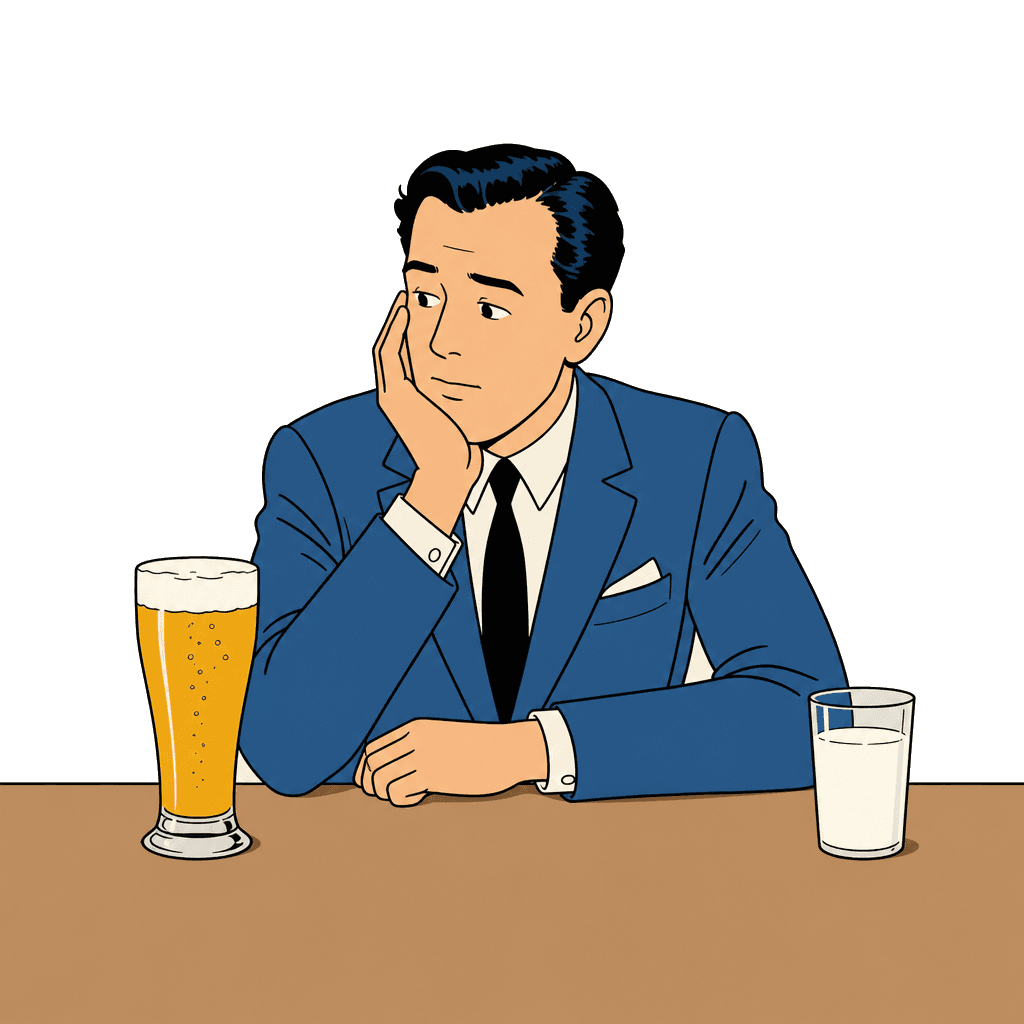
Louis Pasteur’s U.S. patent carries the wonderfully specific title “Improvement in Brewing Beer and Ale.” He had shown that gently heating a drink kills the microbes that turn it sour, and he proved it on beer years before the idea was ever pointed at a glass of milk.

US 504,038 · 1893

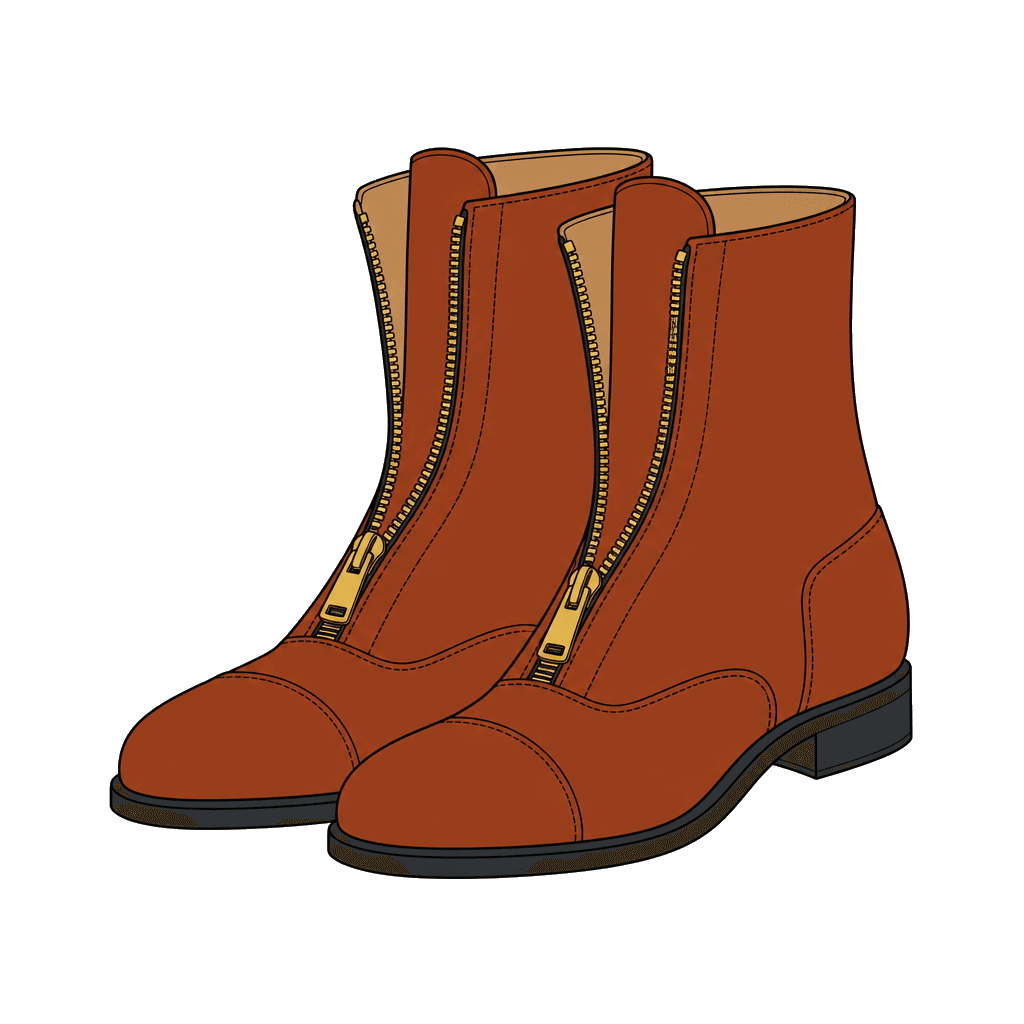
The zipper exists because one man couldn’t be bothered to tie his shoes.

Whitcomb Judson patented his “clasp locker” to end the daily nuisance of lacing up — and it was designed for shoes, not clothes. Getting from his stiff, snag-prone gadget to the smooth zipper on your jacket took another two decades of tinkering by other people.

US 310,966 · 1885

A preacher built the first roller coaster to keep people out of the saloons.

LaMarcus Thompson opened his “switchback railway” at Coney Island, reportedly hoping a cheap, wholesome thrill would tempt visitors away from the beer gardens and worse. As moral improvement it flopped. As entertainment it was a hit, and he spent the rest of his life building coasters.

Firsts & fine print

The patent office keeps strange records

Two centuries of filings leave behind some genuinely odd paperwork.

US 2,612,994 · 1952

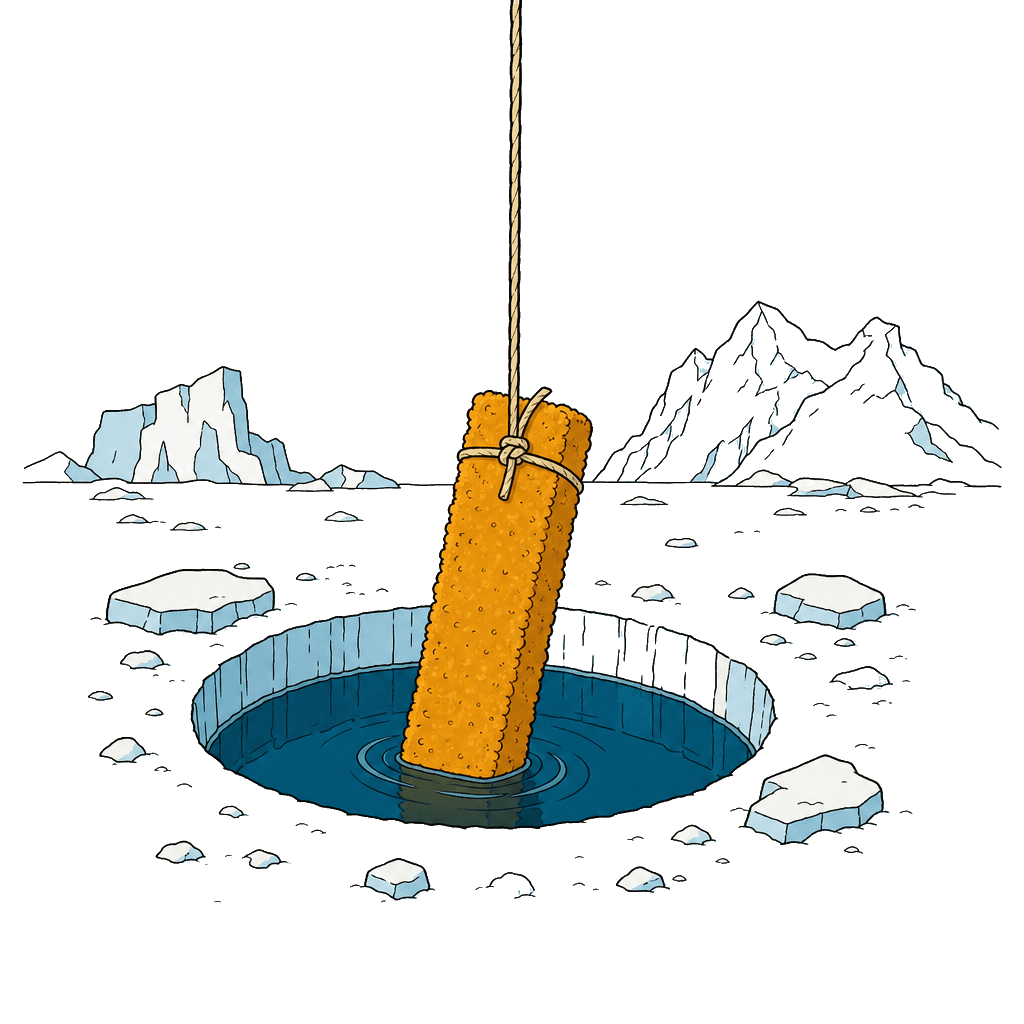
The very first thing scanned at a checkout was a 10-pack of gum.

At 8:01 in the morning on June 26, 1974, a cashier in Troy, Ohio ran a pack of Wrigley’s Juicy Fruit over a brand-new scanner — the first barcode ever rung up at a store. That exact pack of gum is now kept at the Smithsonian. The barcode itself had been patented back in 1952, and its first paying job was labeling railroad cars, not groceries.

US D11,023 · 1879

The Statue of Liberty is patented.

Before a single copper sheet was riveted together in New York Harbor, the sculptor Auguste Bartholdi took out a U.S. design patent on “Liberty Enlightening the World” — partly so he could sell miniatures to help pay for the full-size version. In case you were wondering, her index finger is eight feet long.

US 2,026,082 · 1935

The man who “invented” Monopoly mostly borrowed it.

Charles Darrow patented Monopoly in 1935, not long after the crash of 1929 had cost him his job, and the game made him rich. But his board was lifted almost wholesale from The Landlord’s Game, patented in 1904 by Lizzie Magie — who designed it to show how rent quietly makes landlords rich and everyone else poor. The world remembered the salesman.

US 3,053,480 · 1962

The drone was patented in 1962, then waited fifty years for its moment.

An engineer named Edward Vanderlip patented a four-rotor, remotely piloted aircraft in 1962 — the basic shape of nearly every camera drone today. Nothing was wrong with the idea. The world simply had no microchips, no miniature cameras, and no GPS small enough to fly it, so it sat in the record until the parts caught up.

US 79,265 · 1868

QWERTY was designed to slow the machine down, not you.

On the earliest typewriters, striking two neighboring keys in quick succession jammed the type-bars, so the letter pairs people use most were deliberately scattered across the board. The layout has outlived the jam by 150 years. Its designer, Christopher Sholes, sold his patent to a rifle maker — Remington — which is how a gun company came to build America’s first typewriters.

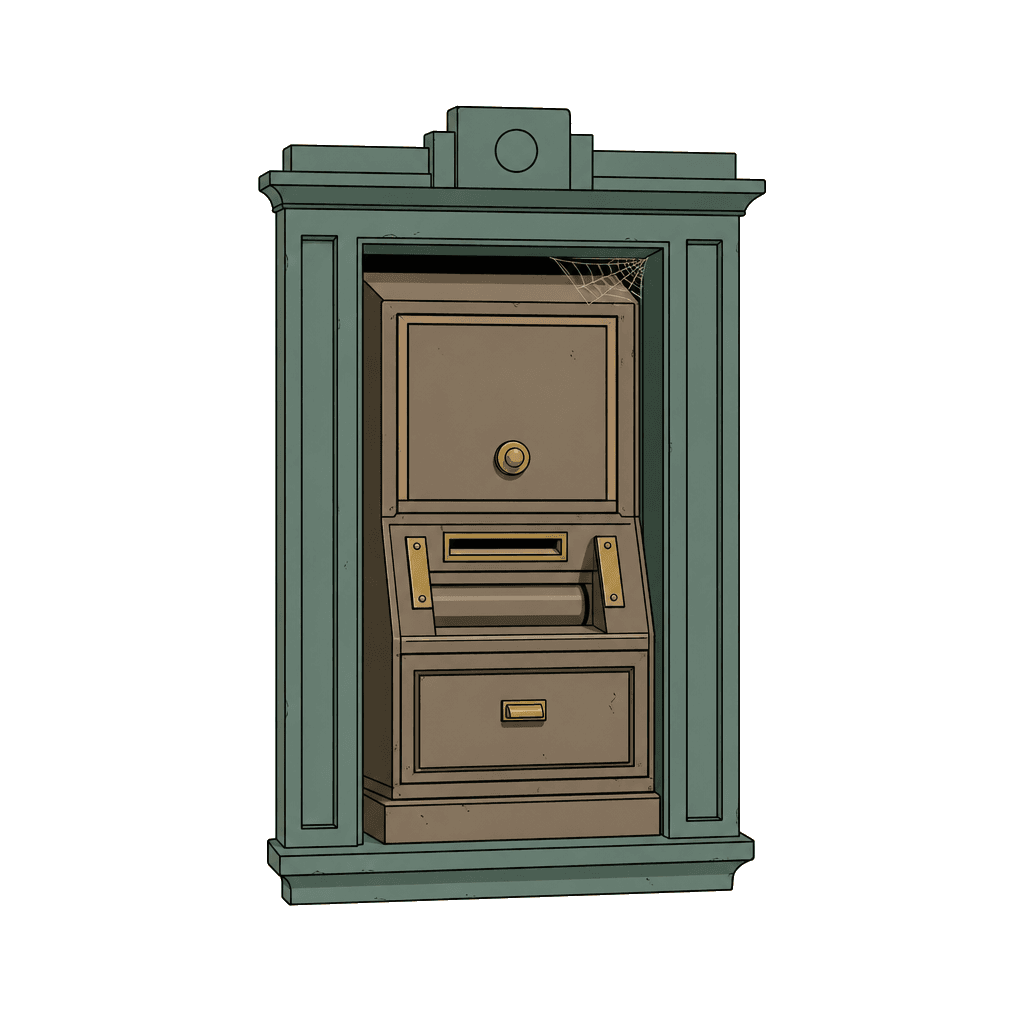
US X000001 · 1790

The first American patent was for a better way to make potash.

Patent number one — literally numbered X000001 — went to Samuel Hopkins in 1790 for a new process for making potash, the wood-ash compound then used in soap, glass, and fertilizer. Thomas Jefferson reviewed it himself, and insisted every application arrive with a working scale model, on the theory that a patent should reward a real, buildable thing rather than a bright idea.

Hidden in the name

Words with a patent inside

Denim & jeans

US 139,121 · 1873

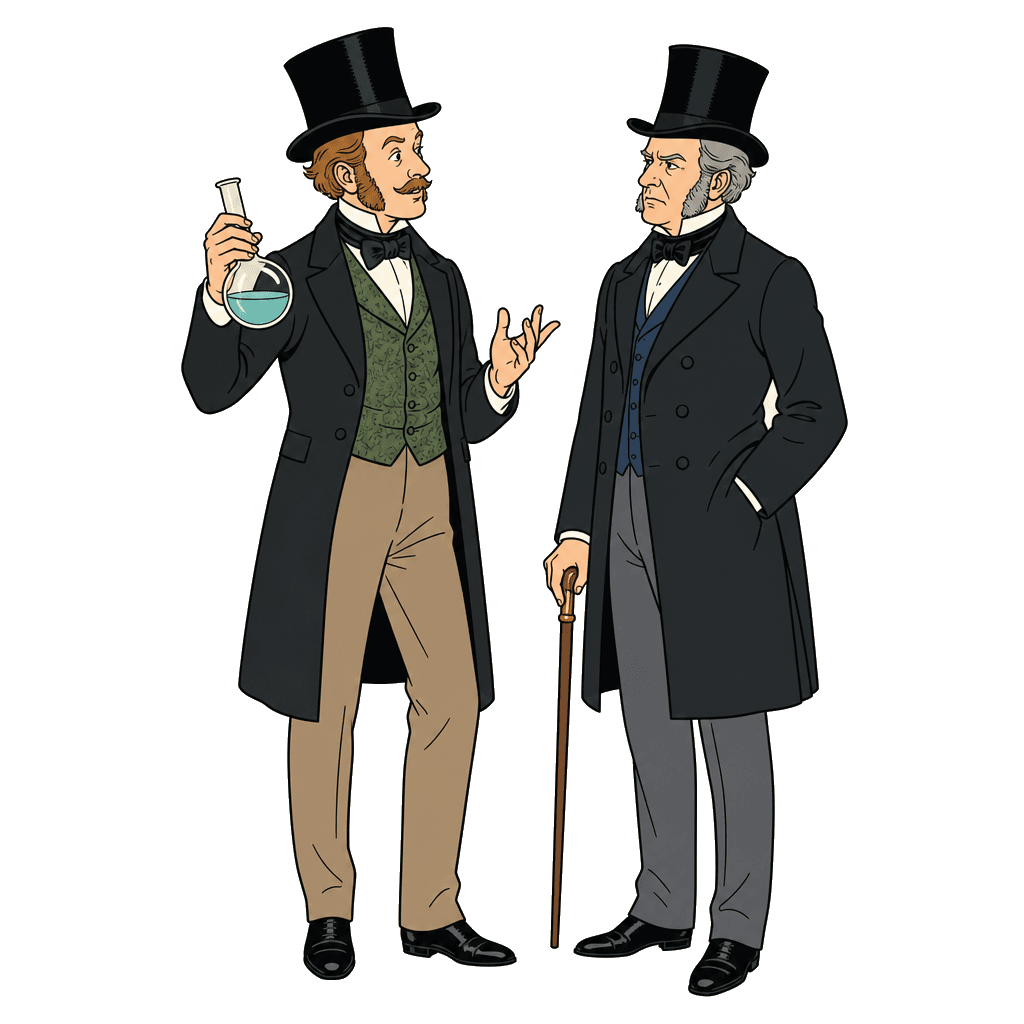
Two European cities are hiding in your wardrobe. “Denim” is short for serge de Nîmes — a cloth from Nîmes, France. “Jeans” traces to Genoa, Italy, whose sailors wore the sturdy fabric.

Cellophane

Cellophane · 1900s

Its inventor, Jacques Brandenberger, named it by welding two words together: cellulose and diaphanous (“see-through”). He had set out to make a cloth nothing could stain, after watching wine soak into a restaurant tablecloth.

PEZ

US 2,620,061 · 1949

PEZ is squeezed out of Pfefferminz, the German word for peppermint. It launched as a grown-up breath mint for people trying to quit smoking, and the first dispensers were shaped to click open like a cigarette lighter.

One more, then go find yours

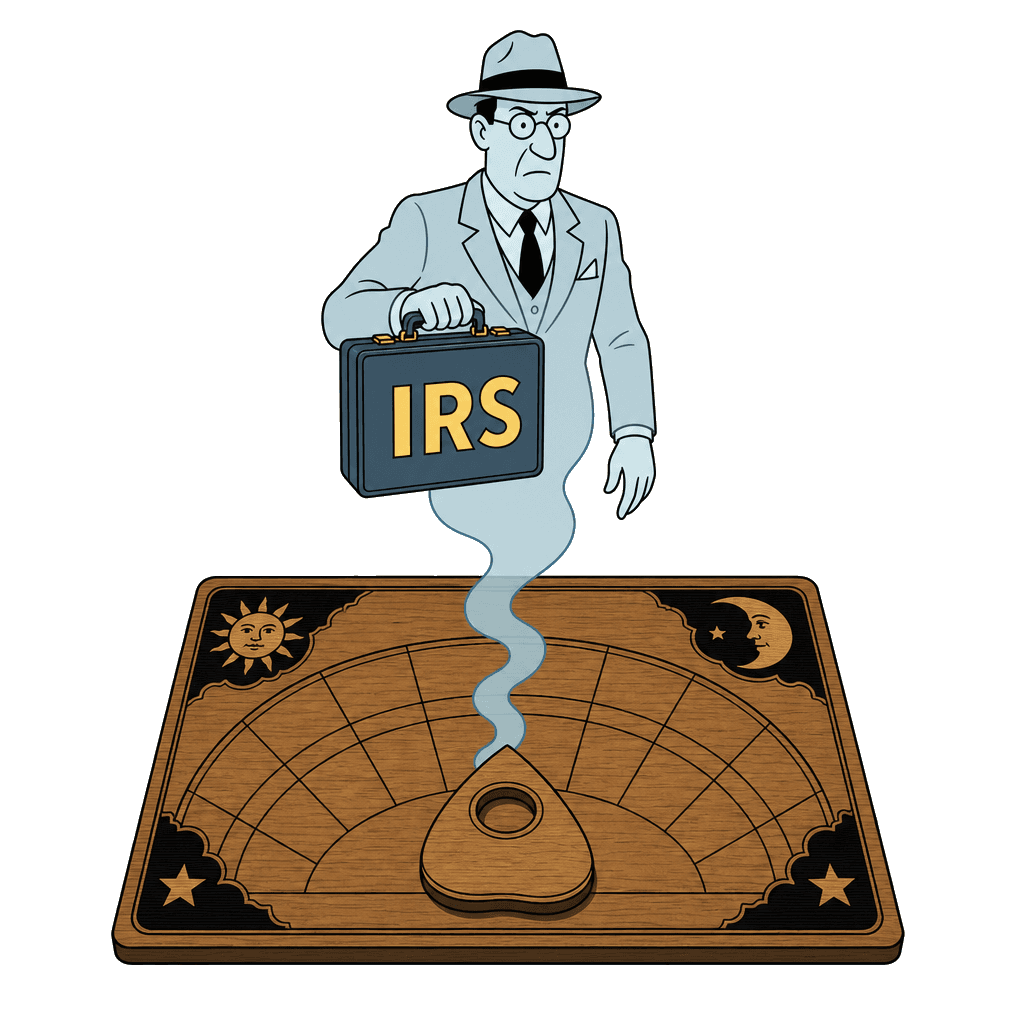
In 1836, the U.S. Patent Office burned down. The only backup was in people’s homes.

On December 15, a fire swept through the Patent Office and destroyed something like ten thousand drawings and seven thousand models. There was no other copy. The only surviving records of those inventions were the paper patents the inventors themselves had carried home and kept safe. To rebuild the national archive, Congress had to ask them, one by one, to send their originals back. More than 2,800 patents were recovered that way. From the very start of the American patent system, the people who earned one treated it as something worth keeping — and worth keeping close.

Which, more or less, is the whole idea here. If your name is on a patent, it deserves better than a browser tab.

Every fact on this page is real and sourced. The surprising ones were cross-checked against public patent records — Google Patents, the U.S. National Archives, and the Smithsonian. Patently Gifted makes personalized keepsakes from real patents; we’re an independent business and aren’t affiliated with the U.S. Patent and Trademark Office.